


From the silver screen to your headphones, the high-octane world of K-pop requires a level of sonic polish that is both surgical and cinematic. In the Golden Globe-winning film K-Pop Demon Hunters, the music defines the world.
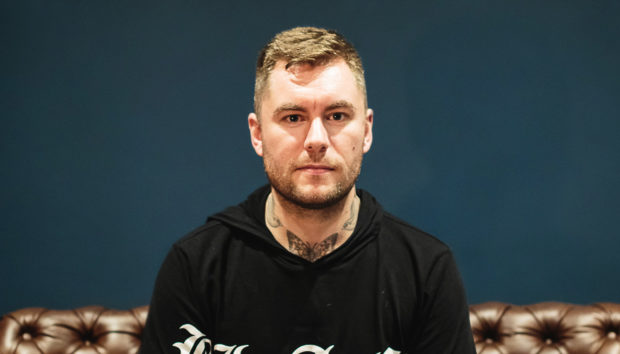
We sat down with two architects of the film’s soundtrack: producer Lindgren (Dua Lipa, BTS) and mix engineer Curtis Douglas (TWICE, Snoop Dogg, Hunter Hayes) who recently received five GRAMMY nominations for his work on the project. They shared how they used Native Instruments and iZotope tools to manage massive sessions and deliver a sound that is as aggressive as it is pristine.

Lindgren, as the producer of “Takedown,” and Curtis, as the mixer and vocal editor, you were both instrumental in shaping a key song for the soundtrack. How did your respective roles and creative visions intersect to meet the requirements of a K-pop-inspired action film?
Lindgren: Curtis and I have worked together on many projects, so when it came time to talk mixing and editing, he was the only person I envisioned for this challenge. The production on “Takedown” grew into something that could have overwhelmed a lesser man, but Curtis tamed that monster. We stayed in constant communication and went through many rounds of tweaks before even presenting the work to the label or studio.
Curtis: Lindgren and I have very similar tastes, which makes mixing his productions a fun and intuitive process. While the session was large, it arrived extremely organized and already sounded amazing. We tweak until it feels great to all of us, then we send it off.
Curtis, you used RX De-click and De-clip on every vocal for the soundtrack. Can you walk us through how you used these repair tools to achieve that high-impact, polished K-pop sound?
Curtis: I am very sensitive to mouth sounds like clicks and pops. In loud sections, they might go unnoticed, but in intimate passages – like the intro to “Free” – they are very distracting.
I use RX De-click as an AudioSuite plugin in Pro Tools. I select a small section, like the first half of a verse, and loop it. I select “Output Clicks Only” and adjust the sensitivity until I hear only the clicks. If the sensitivity is too high, you get “rips,” where the actual vocal is damaged. I don’t want that. I repeat this for every algorithm (Single Band, Multi-Band, and Low Latency) to catch everything.

For clipping, I use De-clip. Sometimes certain sounds overload a microphone, making words sound more saturated than the rest. I use De-clip to tame those words and get them sounding consistent with the surrounding vocals.
Curtis, how did you balance the need for competitive loudness with maintaining the cinematic impact required for a movie theater?
Curtis: Choosing the correct limiter is a big part of that sound. I knew if I deviated too far from my usual workflow, the mixes would suffer. I made sure to keep things dynamic by automating the output of Ozone’s master section.
I usually spend 15–20 minutes at the end of the mix to see which limiter sounds best. I generally go with either IRC 2 or the Clipping mode in IRC 3. IRC 2 sounds clean and punchy; I gravitate towards it when the Clipping mode feels too saturated.

Lindgren, aside from this soundtrack, what are your “daily driver” Native Instruments tools?
Lindgren: I can’t remember the last time I produced a song without Kontakt. Even though I hoard analog synths, there are things I can’t fit in my studio, like orchestras. I also adore the guitars and basses.
- FM8: Still a beast – I love abusing it.
- Guitar Rig: A regular for me, whether as an amp simulation or just an effects rack.
Curtis, given your five GRAMMY nominations, what is the single most important piece of advice you can give to an aspiring mix engineer?
Curtis: Take your time. When dealing with high track counts, it’s easy to get overwhelmed. Organizing and labeling your sessions properly makes management much easier. I mixed “Golden” in one sitting, but “Soda Pop” took three days. I don’t send a mix off until I am proud of it, no matter how long it takes.
Start making award-winning music
Whether you are taming a massive session or performing surgical vocal repair, the right tools and a patient workflow are essential for professional results. By focusing on organization and using the right processing for the job – from RX to Kontakt – you can ensure your tracks stand out on any platform.
Related articles
-
An update from Nick Williams, CEO of Native Instruments
I want to share a direct update on the restructuring process underway here at Native Instruments. Business continues as usual…
-

NI producer spotlight: Women’s History Month 2026
Discover more than 30 women and nonbinary producers – including WondaGurl, Arca, and Tems – who are defining the modern…
-
Learn how Andre Samuel and Daylight kept Mon Rovîa’s Bloodline sounding natural and clean
Learn how production duo Daylight and Andre Samuel used iZotope RX and Native Instruments tools to capture the organic soul…
-

5 of the best vocal plugins for modern music production
Unlock the power of the human voice. Explore five distinct vocal plugins designed to bring emotion and character to every…
-
Speed, melody, and instinct: Will Bates on composing for streaming with Kontakt
Will Bates explains how Noire and Kontakt helped him score 'The Better Sister' with speed, emotion, and precision for Prime…
-
Best drum synths for electronic music
Discover the best drum synth VST plugins for electronic music. From professional sound design in Massive X to creative layering…
-
Richie Hawtin: deconstructing the dancefloor with Traktor
Go behind the scenes with Richie Hawtin to see how he uses Traktor, analog mixing, and live sequencing to create…
-

How Nova Wolf finds humanity in loudness with Ozone
Nova Wolf explains how iZotope Ozone helped him master Nomad Tapes: Africa with warmth, emotion, and cohesion, balancing intensity with…