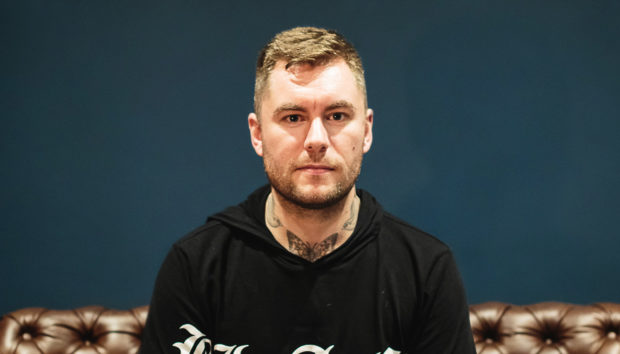



For over 30 years, Marco Polo has been a cornerstone of the boom bap sound, providing the rhythmic backbone for icons like Masta Ace, Rakim, and Talib Kweli. His production style is defined by grit, weight, and a deep-rooted commitment to the art of the hunt – finding those rare, obscure breaks that set a track apart.
Now, he’s bringing that aesthetic directly to your tracks. In this interview, Marco breaks down the philosophy behind his new Play Series: Marco Polo Drums, explaining how he translated vintage hardware warmth into a modern workflow designed to keep you in the creative flow.
You’ve spent three decades defining the boom bap sound for icons like Rakim and Talib Kweli. What was the main problem you wanted to solve for today’s producers with this instrument?
Inspiration can hit fast, and when it does, you don’t want friction. You want tools that are immediately ready to go. One of my main goals was eliminating the delay that comes from searching, digging, and second-guessing sounds. I wanted producers – whether they’re just starting out or already established – to have drums that cut through the mix instantly and knock the way they’re supposed to. Everything is designed to let you move the moment inspiration strikes.
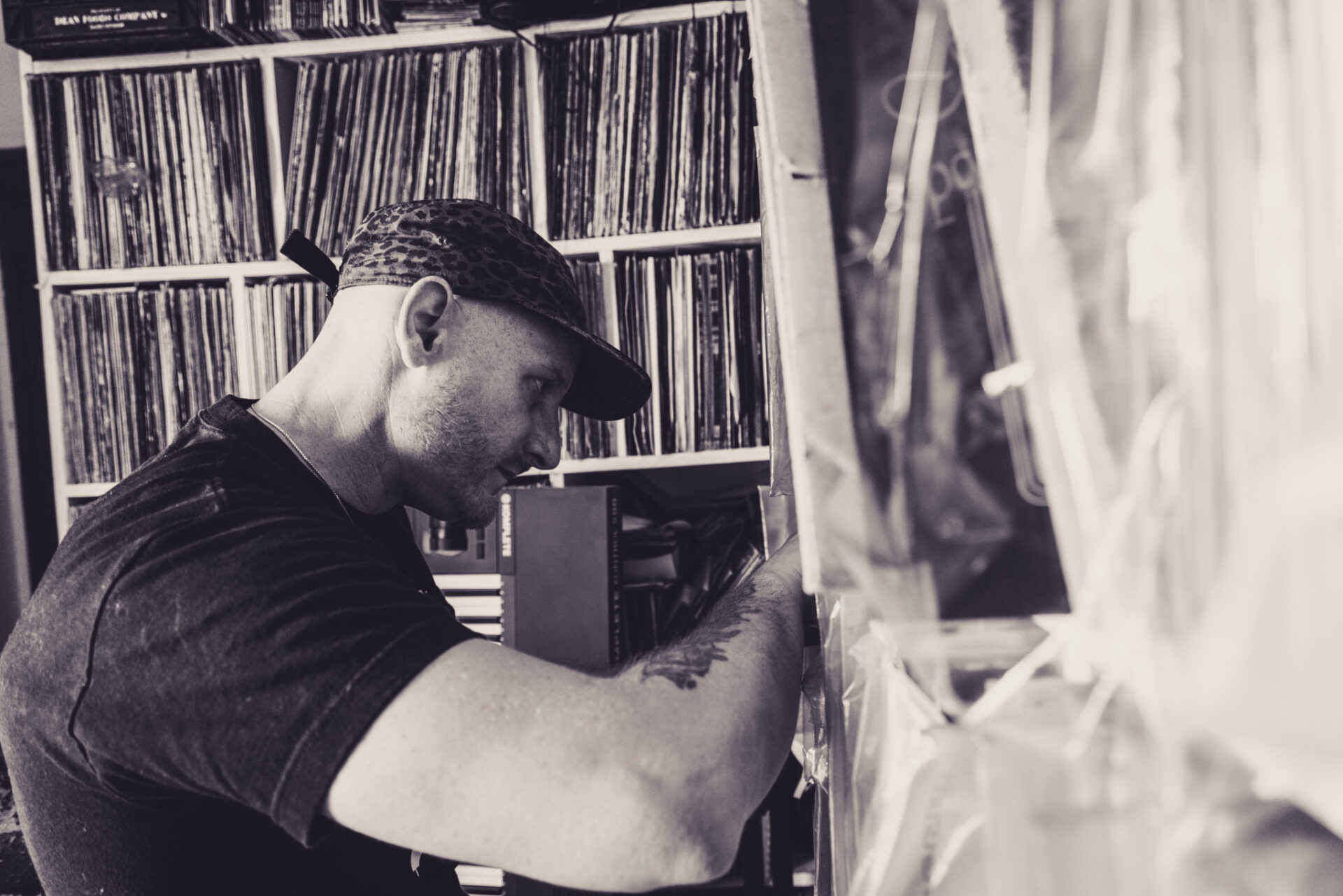
Boom bap is built on the art of the hunt – finding that perfect, rare break. How did you select the sound sources for this instrument while keeping that grit and weight intact?
The simplest way I ensure quality is by using these drums in my own beats first. Nothing makes it into the Play Series world until it’s been tested in real records and real sessions. Some of these sounds have already lived on tracks that are out in the world. If a drum doesn’t work in my own productions – if it doesn’t hit, cut, and feel right – it doesn’t make the cut. That’s my filter.
In the past, achieving this level of character required expensive vintage gear. How did you translate that hardware warmth into a digital instrument?
I wanted to bypass the technical hurdles and get straight to the vibe. To do that, I processed many of these drums through my actual analog setup, hardware chain, and MPC inputs to introduce that natural distortion and character. Some sounds were even pulled directly from my original floppies and Zip drives. This isn’t about recreating a feeling from memory; it’s the real thing, carried forward into a modern workflow.
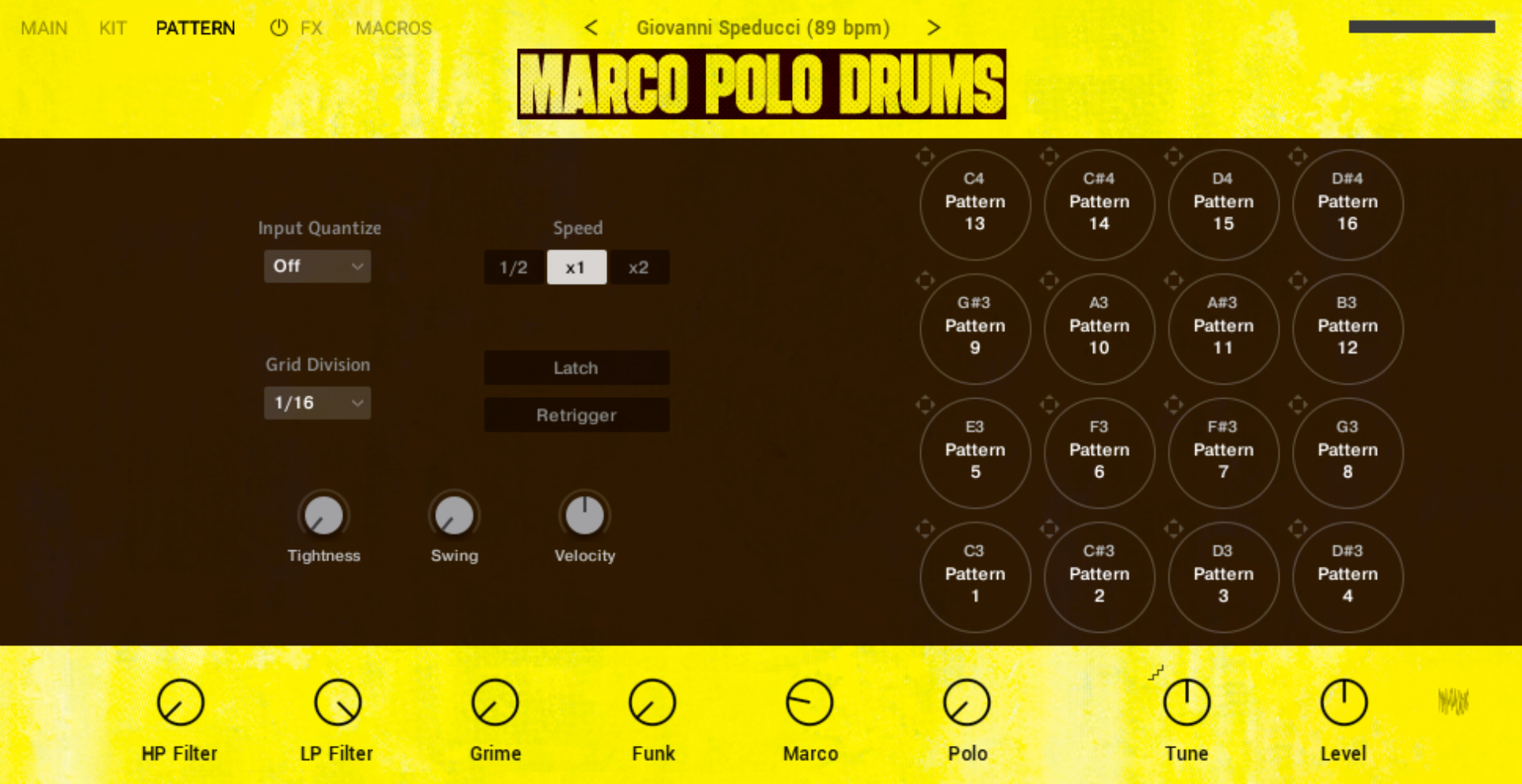
Unlike many libraries that just offer simple .wav files, this instrument includes custom drum patterns. How do these help producers stay in the flow?
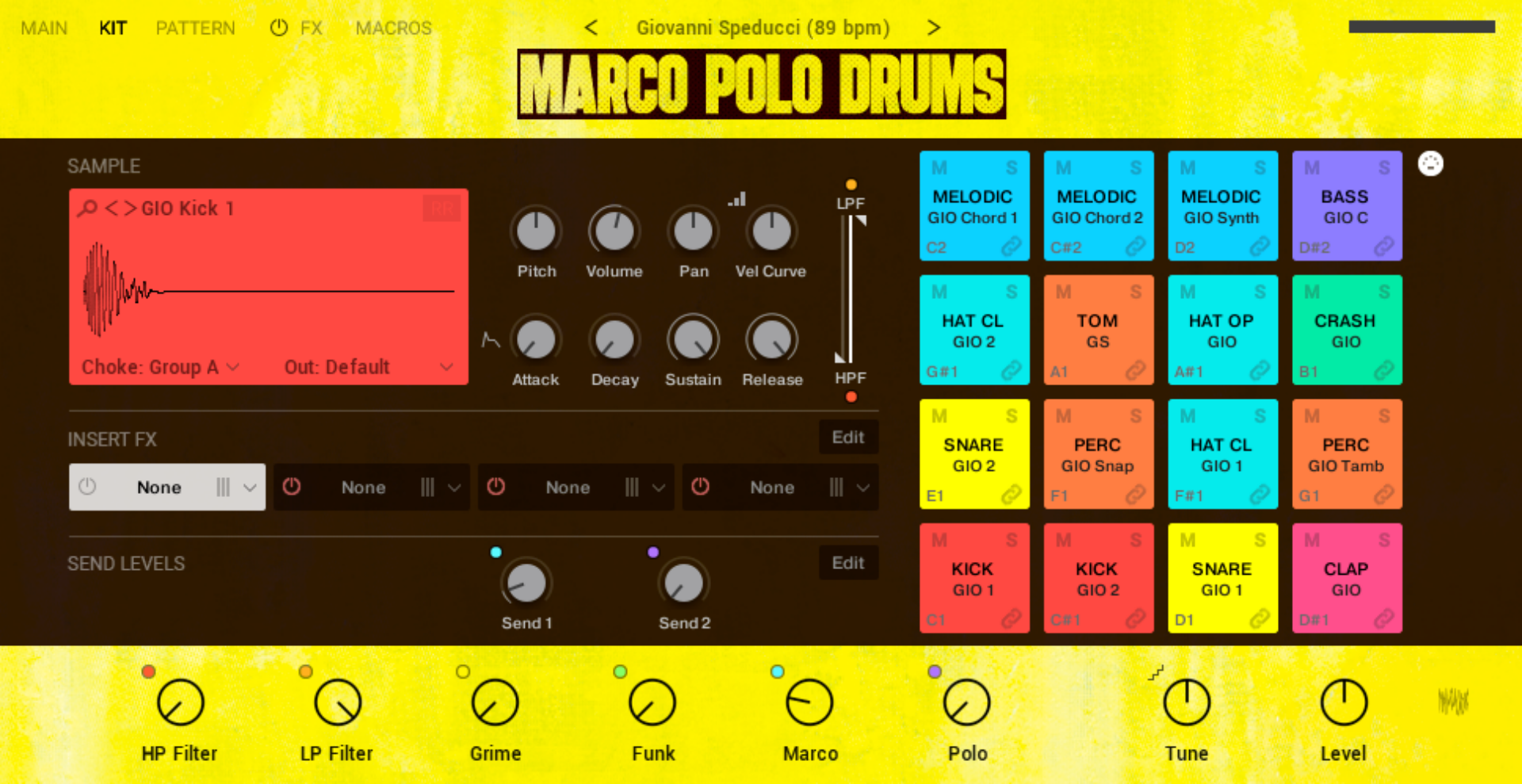
The patterns open the door for musicians who might not think of themselves as drum programmers. They let you experience high-quality drums immediately, whether you’re playing keys, bass, or just looking for inspiration. I see them as “appetizers.” You can use them as-is, tweak them, or completely reshape them into your own thing. They’re there to spark ideas, not limit creativity.
For amateur producers working towards professionals, what should they focus on when layering these sounds to build tracks that stand out?
The truth is, you don’t have to layer much at all with this instrument – I’ve already done a lot of that work for you. Many of the kicks and snares are fully built, covering the low end, mids, and top so they’re ready to drop straight into a track.
But the real fun is in breaking rules. Mix and match drums from different kits, layer in unexpected ways, and make them your own. What I hear is never what you’ll hear, and that’s exactly why I’m never afraid to share my drums. Be weird. Be creative. Have fun. Get the ideas out.

Bring the knock to your studio
Ready to bring three decades of hip hop credibility to your tracks? Explore Marco Polo Drums and start building your next production with kits that are ready to knock.
Related articles
-
An update from Nick Williams, CEO of Native Instruments
I want to share a direct update on the restructuring process underway here at Native Instruments. Business continues as usual…
-

NI producer spotlight: Women’s History Month 2026
Discover more than 30 women and nonbinary producers – including WondaGurl, Arca, and Tems – who are defining the modern…
-
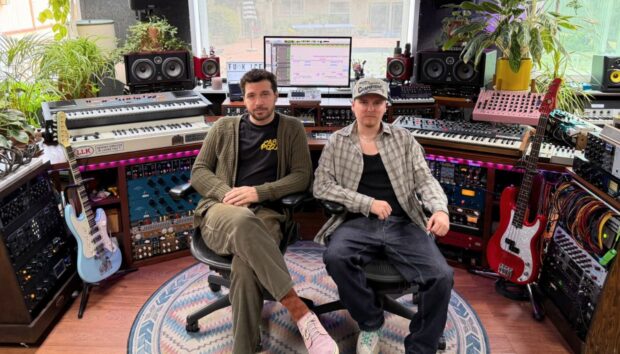
Learn how Andre Samuel and Daylight kept Mon Rovîa’s Bloodline sounding natural and clean
Learn how production duo Daylight and Andre Samuel used iZotope RX and Native Instruments tools to capture the organic soul…
-

5 of the best vocal plugins for modern music production
Unlock the power of the human voice. Explore five distinct vocal plugins designed to bring emotion and character to every…
-
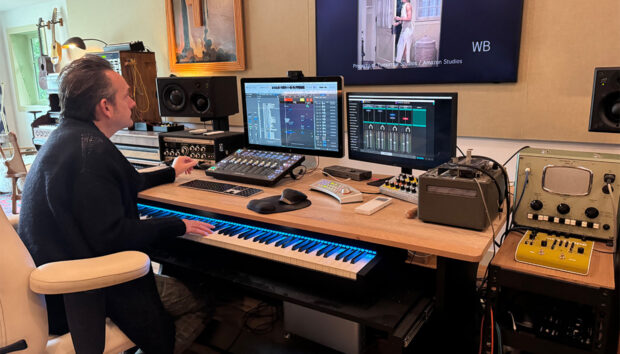
Speed, melody, and instinct: Will Bates on composing for streaming with Kontakt
Will Bates explains how Noire and Kontakt helped him score 'The Better Sister' with speed, emotion, and precision for Prime…
-
Best drum synths for electronic music
Discover the best drum synth VST plugins for electronic music. From professional sound design in Massive X to creative layering…
-
Richie Hawtin: deconstructing the dancefloor with Traktor
Go behind the scenes with Richie Hawtin to see how he uses Traktor, analog mixing, and live sequencing to create…
-

How Nova Wolf finds humanity in loudness with Ozone
Nova Wolf explains how iZotope Ozone helped him master Nomad Tapes: Africa with warmth, emotion, and cohesion, balancing intensity with…