




Jonas Blue’s new single “Edge of Desire” signals a clear return to the sound that first shaped him. Released on Defected Records with Brazilian producer Malive, the track blends hypnotic rhythm, melodic movement, and emotional restraint. It captures the feel of long nights in Ibiza and the connection that happens when music is built for real dancefloors.
After years of creating global pop records, Jonas has shifted his focus back to club production, and “Edge of Desire” clearly shows evolution. The track has already gained support from BBC Radio 1, ANOTR, Keinemusik, Mochakk, Carlita, and Blond:ish, standing out for its clarity and warmth. In the studio, he relied on Native Instruments’ Transient Master to control movement in the percussion, shape low end energy, and keep the mix natural and open.
Jump to these sections:
- Why “Edge of Desire” marks a shift back to the deeper, club-focused sound
- Shaping low end with balance and restraint
- Using Transient Master for movement and clarity
- Club dynamics vs pop transients
- Blending organic and synthetic percussion
- Avoiding overmixing while keeping drums crisp
- Why simplicity drives his next chapter
This conversation explores how Jonas approached “Edge of Desire,” why Transient Master remains central to his workflow, and how his production mindset has changed over time.
Get Transient Master presets made by Jonas Blue here:
“Edge of Desire” feels like a creative turning point for you. What made you want to step away from polished pop production toward something deeper and more underground?
I think every artist goes through cycles, and for me, “Edge of Desire” marked a moment where I wanted to reconnect with the sound that initially inspired me – house music. For years, I’ve loved making records that reach the masses through radio and streaming, but deep down I’ve always been a DJ first, with house being my biggest inspiration.

Spending the last few summers playing shows in Ibiza, Croatia, and throughout Asia really reminded me of the power of records that live and breathe on a dancefloor.
So this record was about making a tune that truly resonated with me first and foremost, stripping back some of that pop structure and focusing more on emotion and groove. I wanted to make something that could live in a sunrise set in Ibiza but still feel timeless when you listen at home. Working with Malive from Brazil helped bridge those two worlds. It’s melodic and percussive, but also raw and hypnotic.
It felt like a natural progression and reconnection to my roots rather than a reinvention.
Pro tip from Jonas Blue: Start with great sounds. No plugin will fix a bad source sample.
Your low end has a lot of clarity without losing power. How do you typically balance punch and space in a club mix?
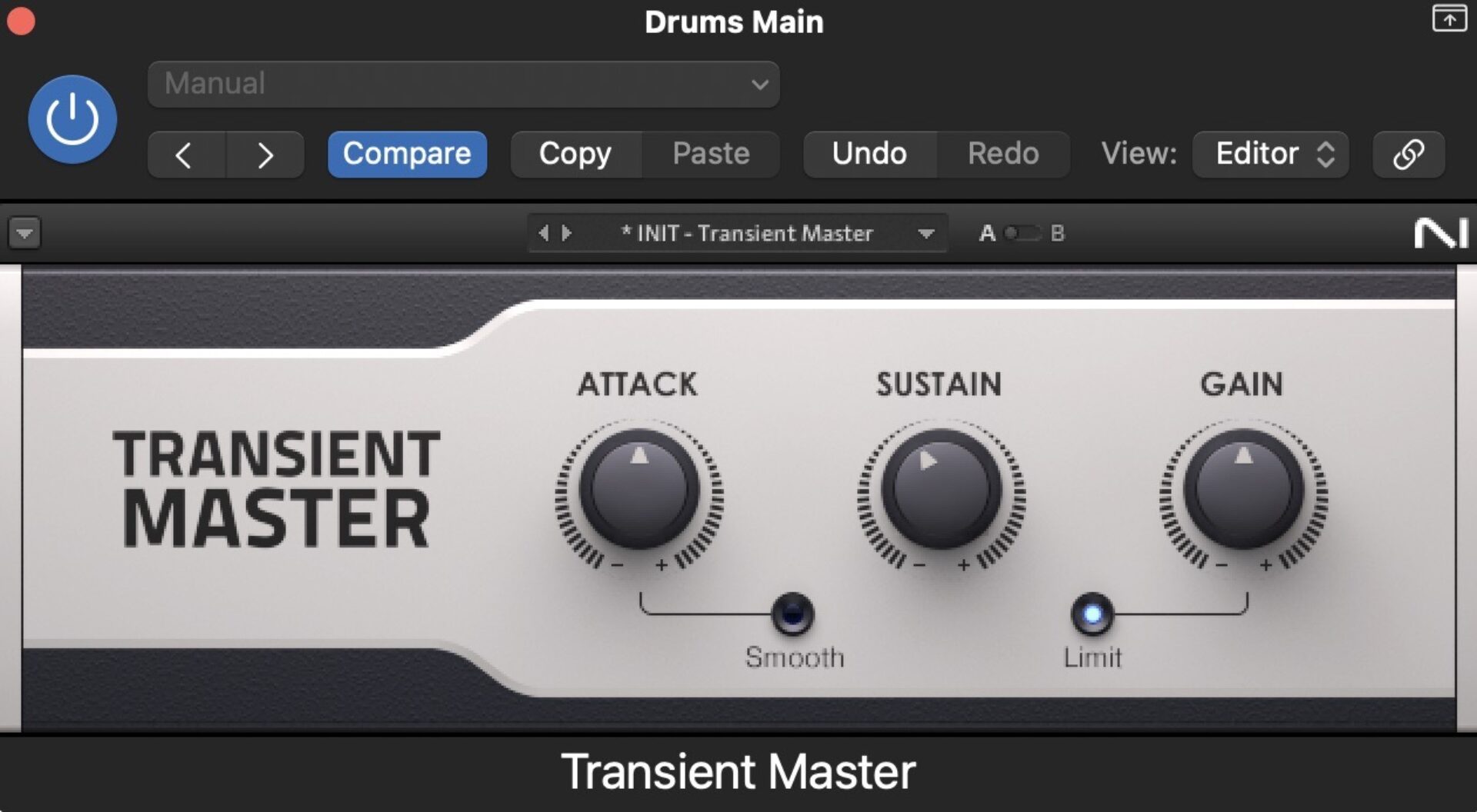
Low end is everything in dance music – it’s the foundation. I’m always thinking about how the kick and bass talk to each other. Usually, I’ll carve out space with an equalizer first before even reaching for any fancy plugins. I’ll sidechain the bass slightly, but not so much that it becomes obvious, just enough for that breathing effect. Then I’ll use tools like the Transient Master to control how much attack the kick has, so it cuts through without muddying the sub.
I also monitor my low end on different systems: club PA, studio monitors, small speakers, and the all-important car test. If it translates across all of them, I know I’m in a good place. The trick is restraint. You want the energy to come from movement and balance, not just volume. I’m also big on layering. Sometimes a subtle low-mid texture can give you that warmth without overpowering the sub frequencies.
Pro tip from Jonas Blue: Balance first, equalize later. Get your faders right before you touch anything else
What role did Transient Master play in shaping the percussion or bass hits on “Edge of Desire”?

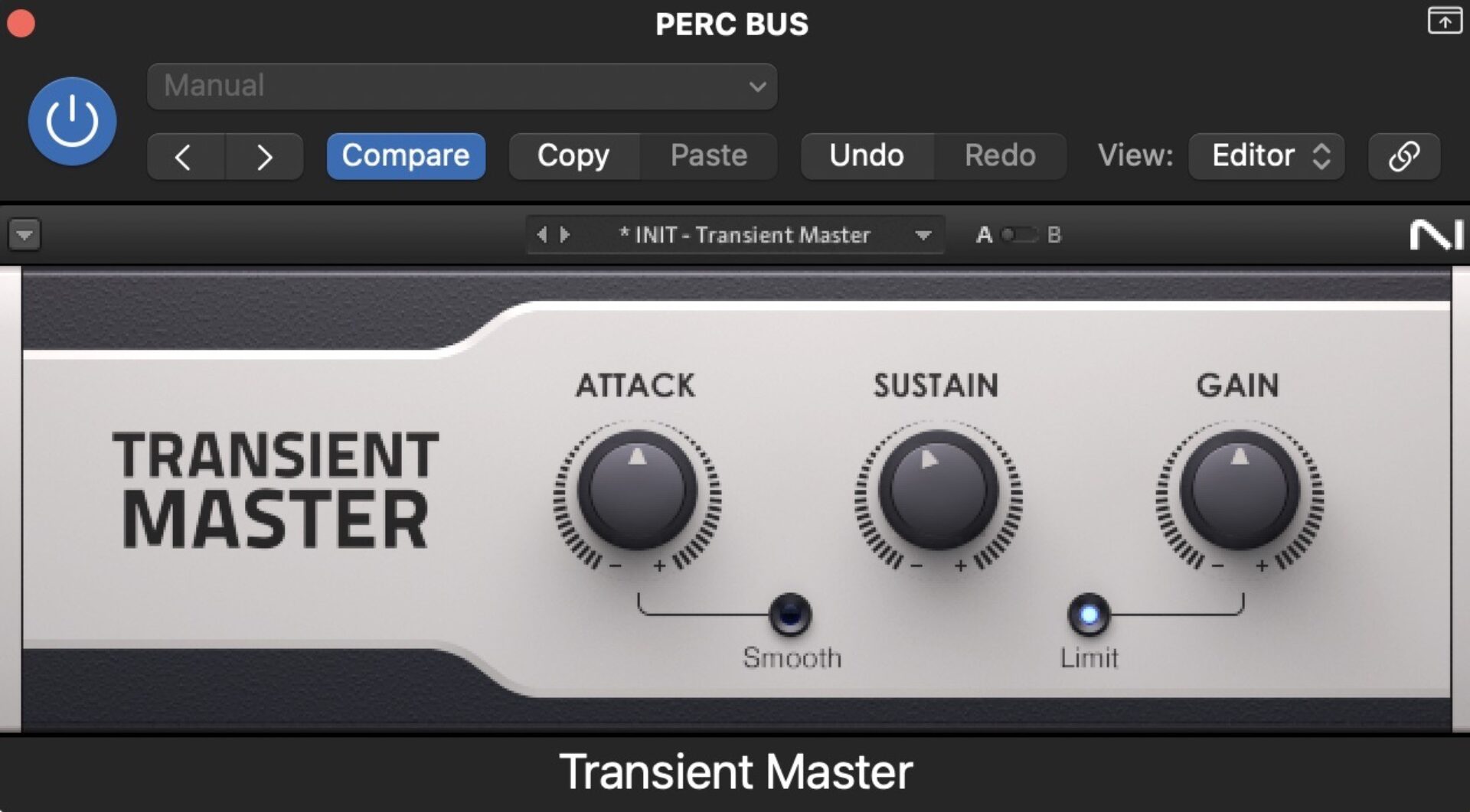
Transient Master was key for tightening up the groove on “Edge of Desire.” I used it to control the snap of the hi-hats and the transient shape of the kick. What I love about it is how musical it feels. It reacts in a very transparent way, unlike many compressors. You can push it hard and still keep the natural feel of your drums.
For me, Transient Master really helped define the dynamic flow of the record. The percussion needed to have energy but not fight with the synths and pads. By taming certain transients, I could bring other elements forward, like the mid-range synths that give the track its emotion. It’s one of those plugins that’s become part of my daily toolkit, subtle changes that make a big difference in how a track moves.
Pro tip from Jonas Blue: Reference mixes constantly. A/B test against commercial tracks at similar levels.
Do you think there’s a difference in how transient control functions in a pop context versus a club record?
Definitely. In pop, transient control is often about making something sound clean and radio-ready. Everything’s a bit more polished and compressed to hit consistently across playback systems. But in club music, you actually want more dynamic range. The transients are what give life to the groove and movement on a dancefloor.
When I was making more pop-driven records, I’d often smooth things out so they fit better next to vocals or radio mixes. Now, with my club releases, I’m doing the opposite, letting those transients breathe. It’s all about how the energy feels when the kick hits in a room. You want that physical impact without fatigue. The key is knowing what context your music will live in and treating your mix accordingly.
Pro tip from Jonas Blue: Use transient shaping to enhance feel, not volume
How do you usually balance organic samples with synthetic elements when building a groove?

That balance is what keeps a record feeling human. I love mixing organic percussion, shakers, claps, and hand drums with electronic textures. It adds character and movement. Sometimes I’ll sample a real instrument or a random field recording and layer it quietly under a drum loop just to give it depth and imperfection.
In “Edge of Desire,” there’s a lot of subtle organic detail underneath the central groove.
Those tiny imperfections stop the record from feeling sterile. I’ll often use saturation or mild distortion to glue it all together and make it feel cohesive. It’s about building layers that sound like they belong together rather than competing for space. When you get that balance right, the track comes alive.
Pro tip from Jonas Blue: Don’t overcompress the mix bus. Let the energy breathe, especially for club records.
For producers chasing that same clarity and crispness in their drums and groove, what advice would you give about mixing percussion and impact without overmixing?
Less is more. The biggest mistake new producers make is over-processing. Start with great sounds. If your samples are clean and well recorded, you won’t need to equalize or compress them heavily. Focus on gain staging and balance before reaching for plugins.

I’d also say, reference your mix often. Play it next to records you admire in the same genre and listen at different volumes. If it holds up at low volume, it will sound massively loud. Finally, use transient shaping sparingly. It’s easy to go too far and make everything sound clicky or fatiguing. I’ll often take breaks, come back with fresh ears, and if it still feels tight and powerful, I know I’m done.
Pro tip from Jonas Blue: Check your mix in mono. If it still hits, it’ll slam in stereo
Wrapping it all up
“Edge of Desire” reflects a producer who has found new purpose in simplicity. Jonas Blue continues to refine his sound by focusing on space, feel, and balance. His production process revolves around tools that support intention rather than excess, giving every element room to move.
The result is music that connects in both personal and physical ways.
Each track builds from rhythm, tone, and emotion instead of polish alone. With more releases ahead and a renewed sense of direction, Jonas Blue’s focus on clarity and atmosphere defines this next chapter of his career.
Don’t forget to get these Transient Master presets made by Jonas Blue here:
Related articles
-

An update from Nick Williams, CEO of Native Instruments
I want to share a direct update on the restructuring process underway here at Native Instruments. Business continues as usual…
-

NI producer spotlight: Women’s History Month 2026
Discover more than 30 women and nonbinary producers – including WondaGurl, Arca, and Tems – who are defining the modern…
-
Learn how Andre Samuel and Daylight kept Mon Rovîa’s Bloodline sounding natural and clean
Learn how production duo Daylight and Andre Samuel used iZotope RX and Native Instruments tools to capture the organic soul…
-

5 of the best vocal plugins for modern music production
Unlock the power of the human voice. Explore five distinct vocal plugins designed to bring emotion and character to every…
-
Speed, melody, and instinct: Will Bates on composing for streaming with Kontakt
Will Bates explains how Noire and Kontakt helped him score 'The Better Sister' with speed, emotion, and precision for Prime…
-

Best drum synths for electronic music
Discover the best drum synth VST plugins for electronic music. From professional sound design in Massive X to creative layering…
-
Richie Hawtin: deconstructing the dancefloor with Traktor
Go behind the scenes with Richie Hawtin to see how he uses Traktor, analog mixing, and live sequencing to create…
-

How Nova Wolf finds humanity in loudness with Ozone
Nova Wolf explains how iZotope Ozone helped him master Nomad Tapes: Africa with warmth, emotion, and cohesion, balancing intensity with…