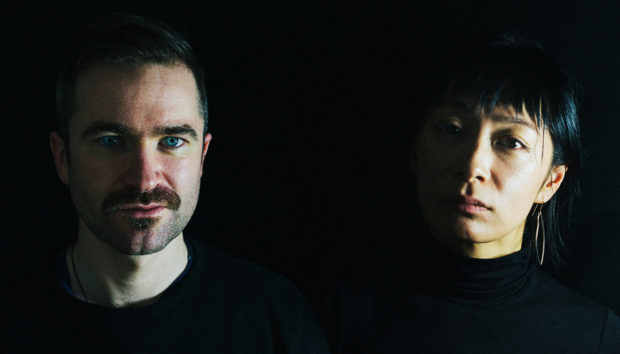
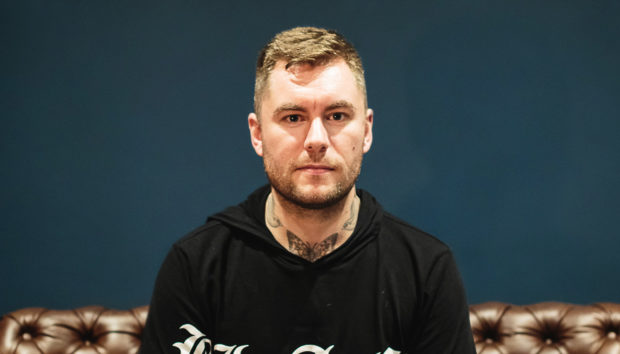
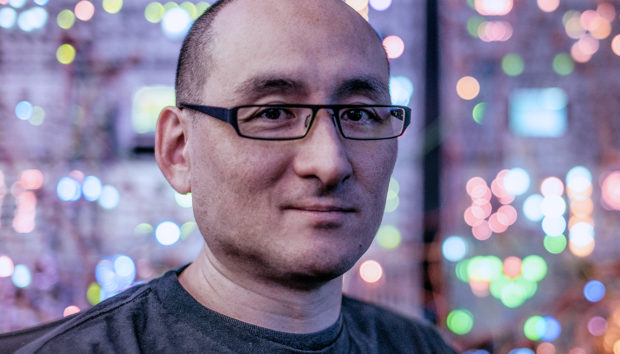

When Andre Samuel and production partner Daylight started working together on Mon Rovîa’s Bloodline, they knew the production needed a light touch. By prioritizing the raw, iconic power of Mon’s vocal takes, the duo crafted an album that feels both intimate and expansive.
Drawing on Andre’s experience at Rick Rubin’s legendary Shangri-La studios and Daylight’s history with major artists, the pair balanced a stacked hardware chain with the surgical precision of iZotope software. Whether they were using iZotope RX to clean up delicate mandolin recordings or Insight 2 to monitor their loudness levels, their philosophy remained the same: let Mon’s artistic intent lead the way.
We sat down with the production duo to discuss their philosophy, their favorite sleeper plugins, and how artistic vision is ultimately what defines your style.
What was your philosophy behind the overall sound design and mix for Bloodline?
In the tracks we produced, we were careful to keep things as natural and organic as possible. Mon’s voice is so iconic and central to the songwriting that we wanted the production to act as a spotlight for him. It was important to limit our in-the-box processing and remain transparent with the plugins we used. While our hardware chains during tracking were extensive, they were carefully curated to capture raw, effective performances. With so many incredible tools available today, it’s easy to do too much and get in the way of the artist. Mon shared our vision, and we kept each other focused on that goal.
Could you give us some insight into the collaborative dynamic in the studio with Mon Rovîa?
Mon is one of our favorite collaborators because he has such a positive, amicable personality. Tracking vocals for “Oh Wide World” and “Black Cauldron” was a genuine treat. He wanted to preserve the integrity of the songs by singing full takes and limiting editing where possible. What you hear on the record is essentially what we heard in the room!

Could you walk us through a key production challenge on the album and how you used Native Instruments or iZotope tools to overcome it?
Bloodline is an organic album, and the noise floor was a real challenge because the guitars, banjos, and mandolins were played so intimately. Stacking those quiet instruments created a buildup of background noise, even in a well-treated studio. iZotope RX was integral for removing unwanted noise, pops, and clicks so we could achieve the space and clarity we were after.
When it came to the mix, many delays and reverbs cluttered the soundstage. iZotope Cascadia was a lifesaver – especially on vocals. The “unmasking” feature gave us the separation we needed most.
Daylight, you’ve worked with artists like Shawn Mendes and Fifth Harmony. How do you adapt your production style to fit an artist’s vision?
The first step is making sure you truly understand that vision. If the artist can articulate it, that’s ideal, but often we’re experimenting to figure it out together. Sometimes just seeing their live show answers my questions – knowing if there’s a live drummer or a guitarist helps contextualize my production decisions. I do whatever I can to showcase the artist’s strengths, which usually means taking myself out of the equation as much as possible.
Andre, how did working for Rick Rubin at Shangri-La influence your work?
Shangri-La taught me how to handle high-level, high-pressure sessions. Being surrounded by vintage consoles gave me a deep appreciation for capturing great sounds at the source. I learned how to maintain an environment where the focus remains entirely on the song and the artist. I also made close friends there who are now like family.

What is your biggest piece of career advice for a young producer starting out?
Work with your friends and make things that excite you! Being part of a community will do more for your growth than anything you can learn alone. Taste is everything, and it helps to have friends around while you’re honing your style. Believe it or not, the bridge from small projects to major artists is shorter than you think.
How do you decide when to stick with tried-and-true tools versus trying new workflows?
We never stop trying new plugins because we love the process. That’s how we keep things fresh. However, in sessions, we work quickly so we don’t slow down the collaborators. We set up our hardware tracking chains ahead of time so we’re confident in the quality we’re getting. Great tools earn their place in our process.
In music tech, many tools now trend toward a “do-it-all” approach. While that’s helpful for tedious tasks like editing sibilance, it’s vital to keep the human touch for creative decisions. Your choices are your style, and that’s what people come back to you for.

What are your favorite NI or iZotope tools you couldn’t live without?
- RX: Our “desert-island” restoration tool that has saved us a thousand times.
- Insight 2: We use this every day to calibrate hardware and monitor loudness levels.
- Raum: A sleeper favorite for larger-than-life reverb – it’s excellent when you set the pre-delay to a 1/16 note
Define your signature sound
From capturing raw, intimate performances to final polishing with industry-standard restoration tools, Daylight and Andre prove that great production is about more than just technology – it’s about preserving the human element. By utilizing tools like iZotope RX for clarity and Raum for space, they ensure that the artist’s vision remains at the forefront.
We hope this interview inspires you and reminds you that your creative choices are what truly define your style.
Related articles
-
Hardt Antoine explains his fast, tactile studio process with Maschine
Hardt Antoine breaks down how Maschine helped capture the rhythm, energy, and creative flow behind his Kompakt release “Let Me…
-
From Napoleon Dynamite to Cyberpunk 2077: How NI shaped Brian McNelis’s story
Brian McNelis discusses how Native Instruments tools shaped his workflow across decades of film, game, and soundtrack production.
-
How Darin Epsilon’s workflow with Massive X and Monark keeps Perspectives Digital moving forward
Darin Epsilon reflects on 15 years of Perspectives Digital, exploring how his production evolved with tools like Massive X and…
-
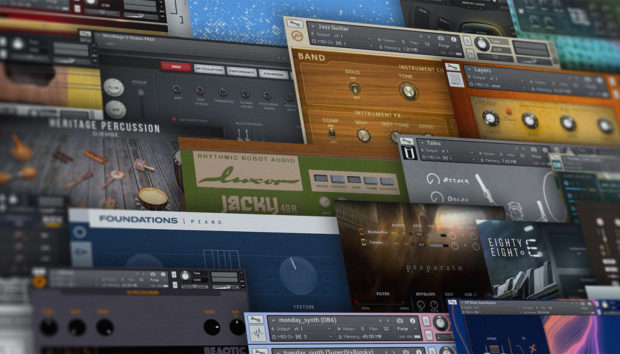
The 110 best free Kontakt instruments in 2026
Explore the ultimate list of the best free Kontakt instruments and libraries. Discover new sounds and add them to your…
-
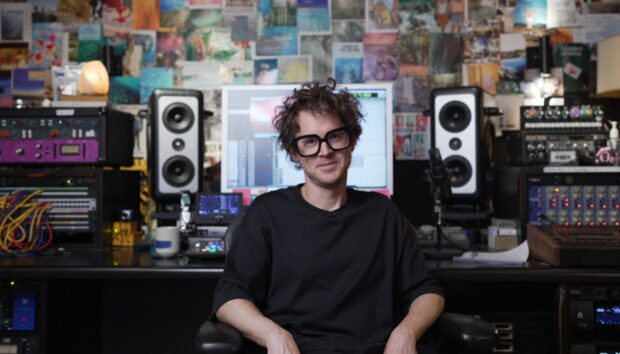
Ryan Lott on the living sound of LCO Producer Strings
Son Lux’s Ryan Lott shares how he uses LCO Producer Strings to find the living gradients in his music and…
-
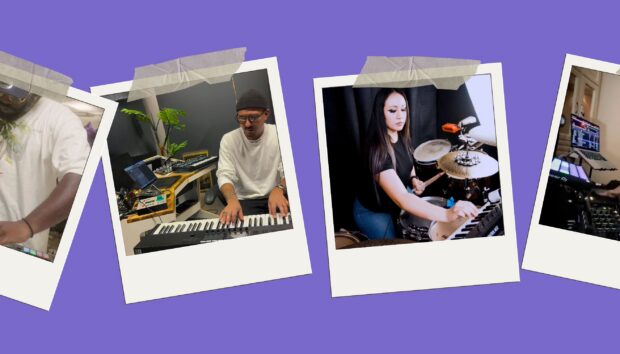
2026 NI community roundup: from the studio to the stage
See how the community is using Maschine, Traktor, and Kontrol keyboards to find their flow in 2026. Get inspired by…
-
An update from Nick Williams, CEO of Native Instruments
I want to share a direct update on the restructuring process underway here at Native Instruments. Business continues as usual…
-
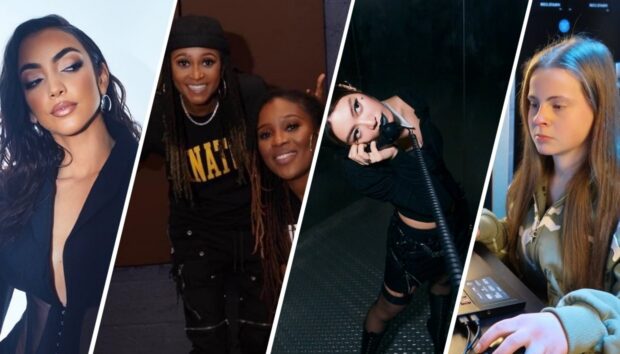
NI producer spotlight: Women’s History Month 2026
Discover more than 30 women and nonbinary producers – including WondaGurl, Arca, and Tems – who are defining the modern…