
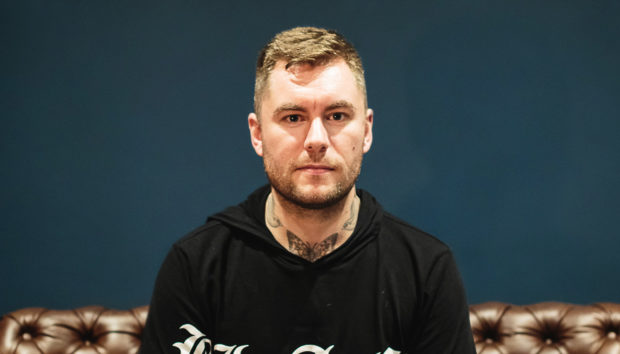



Wingtip has built his career on merging pop songwriting with rock textures and electronic production. His new album Luckyman, released on Nettwerk, expands that blend into what he calls “maximalist classic rock,” bringing together guitars, pedal steel, saxophone, and strings with digital tools like Kontakt.
A key piece of that balance came from The Grandeur. The instrument helped Wingtip create surreal piano moments, balance live recordings with digital clarity, and add layers that carried the scale of the record. Built partly in a Malibu Airbnb with collaborators Theo Kandel and Jack Kleinick, Luckyman shows how flexibility between acoustic and digital elements can create records that feel both nostalgic and forward-looking.
Wingtip walks us through the sessions behind Luckyman and shows how The Grandeur became a bridge between traditional recording and digital creativity.
Jump to these sections:
- Fusing live instruments and The Grandeur
- Layering maximalist piano textures
- Keeping digital pianos from sounding too polished
- The track that shows the best balance
- Why the future of pop favors blurred lines
- Kontakt’s role in making Luckyman possible
Get the same rich harmonic layering and cinematic swells described in this interview with our signature modern grand piano:
When you set out to make Luckyman, what made you decide to fuse live instruments like pedal steel and sax with digital ones like The Grandeur?
My favorite records are the ones that almost feel like a traditional live record, but have moments that make you think, “wait, a guitar sounds like that? That can’t be right.”
A lot of that, I’ve noticed, is achieved through balancing traditionally recorded live instrumentation with plugins like the ones Native Instruments makes.

The record leans into “maximalist classic rock” textures. How did The Grandeur help you layer those big, echoey piano moments without losing clarity?
A good example of the way we did layering is the intro to the album. We got pianist Max Bergmanis to start with a piano riff on a MIDI keyboard connected to the Grandeur. Then we recorded him playing on an old upright in a big, high-ceilinged room, and layered the audio together.

We nestled The Grandeur underneath to create that larger-than-life warmth that’s hard to achieve with recorded piano (unless you’re working with some serious studio capacity). Then we would occasionally duck the recorded piano to the MIDI piano, through a sidechained compressor.
That creates this pulsing, hard-to-pin-down feeling from the piano, which is what we were going for. We almost wanted it to feel like you were hearing it from a few different speakers at once.
In another song, “Love Is Such a Stupid Feeling,” we used The Grandeur almost as a bass. We pushed the max velocity and used the Flattenator compressor preset in Ableton to push the sustain and low end. Then we layered that underneath the synth line in a big, triumphant moment. It makes you wonder if it’s even a piano being played.
How do you keep a digital piano like The Grandeur from feeling too polished when blended with the grit of live players?
A lot of it is knowing the context and making smart decisions about what you’re going to have it in contrast to.
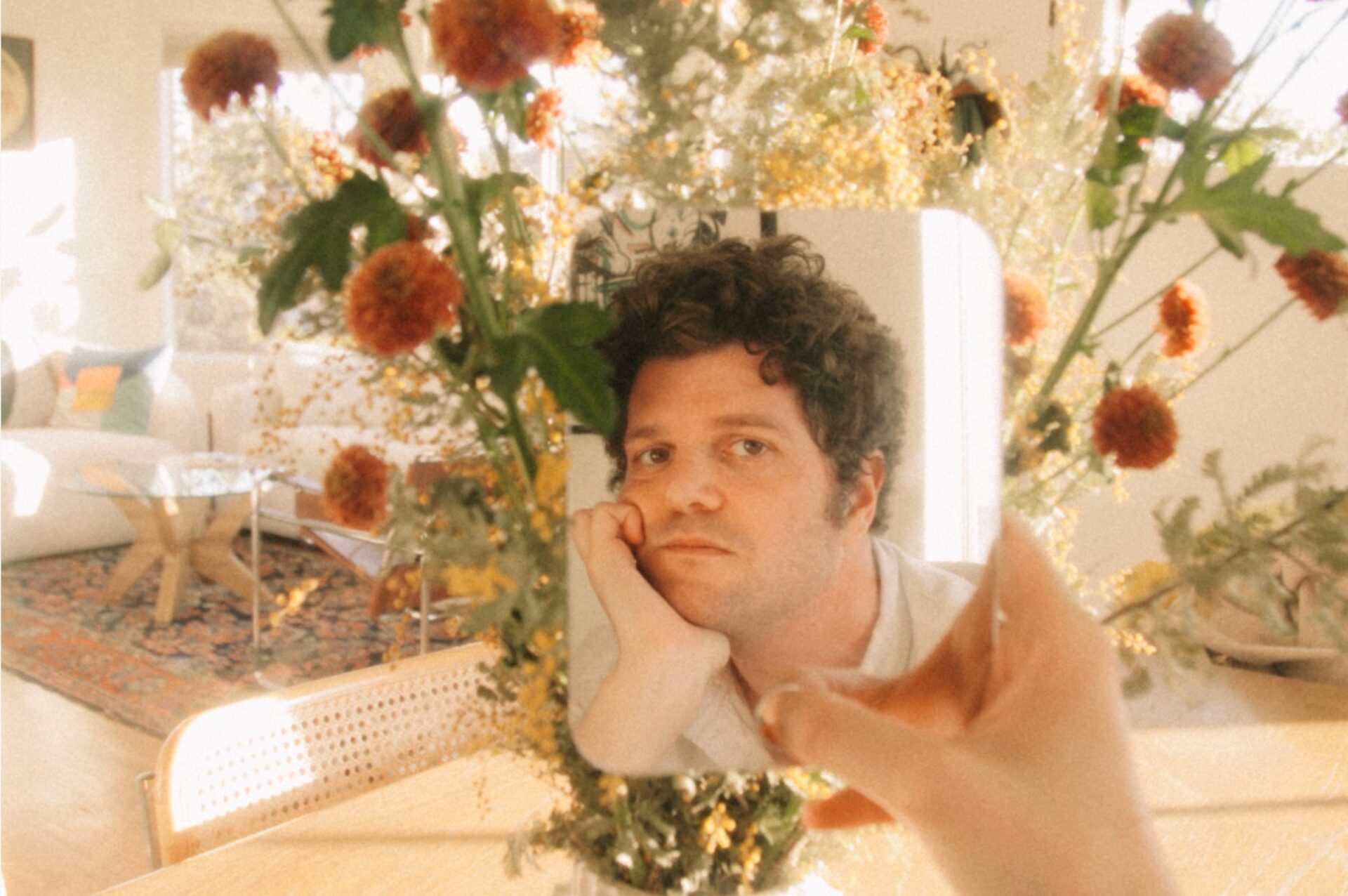
In “Bloodstream,” for example, we’re using almost exclusively MIDI piano in the intro section. That’s because it’s not in contrast to anything, so the listener isn’t hearing a real piece of live recording that maybe sounds less polished.
Once the pre-chorus of that song comes in, where all of the elements are present, we switched to a recorded upright with a lot of panning. We also put a low-pass filter on The Grandeur just to keep that depth in the center of the stereo field.
Pro tip from Wingtip: For cinematic scoring, push the Tone slider toward the darker side and raise the Dynamic Range to maximum. This gives you a hushed, moody low end with huge headroom for dramatic swells.
Which track on Luckyman best shows the balance of live and digital elements working in harmony?
That’s a tough one. I think “Bloodstream” is maybe my favorite use of all the blending we did. It starts with a Grandeur preset that we tweaked the resonance of. We got a bit of a punchy, bright texture. We weave it in and out of the song depending on what’s going on.

We used a few different Kontakt instruments there, including a ragtime piano, which has this nice warm vibrato that really worked in the chorus when we were going for a “bar song” feel.
Then Guitar Rig really helped get the direct-in recorded guitar sounding massive. We used the built-in harmonizer to get this thick 80s feel.
That’s in tandem with synth stuff that we used to get background pad sounds. They sit nicely in the chorus to add a bit of air at the top.
Pro tip from Wingtip: If you want The Grandeur to cut through a dense pop mix, bring down the resonance and slightly increase the Brightness control. Then shorten the release time so the piano stays punchy and doesn’t cloud the low mids. A little bit of saturation or equalization boost around 3–5 kHz after the fact can make it sound like a radio-ready upright while keeping that grand character.
Do you think the future of pop production is about blurring that line between live and digital rather than choosing one or the other?
Definitely, I think most people are working in situations where they don’t have access to perfect fidelity all the time. In our case, we were working in an Airbnb in Malibu with tile floors, so having a full recording setup wasn’t an option.
That’s where tools like The Grandeur and the whole Kontakt library really come in handy. But beyond that, I think we’re also seeing so much more comfort with manipulated versions of live instruments. I hear so many more pitch shifted guitars and chorused-out pianos than I used to, and I think the appetite for some live playing is really growing.
Looking back, would Luckyman have been possible without the flexibility of Kontakt alongside the live instruments?
Definitely not – this album was a year’s worth of rewrites, last-minute additions, and rethinkings. A lot of those were done in random Airbnbs, bedrooms, and porches.

Having the flexibility to go in and change parts and have them still sound high-fidelity and close to a live recording was invaluable. Also, the album is all about sounding stranger than fiction, if that makes sense.
We talked about how big a lot of our favorite rock records from the 70s and 80s sounded when we first listened to them. We wanted to add that nostalgic vibe to the album. In this weird, paradoxical way, to get the sound that we remember, we needed to use virtual instruments that sounded better and cleaner than any original live instrument could.
Wrapping it all up
Luckyman brings together the fullness of live performance with the precision of digital production. The Grandeur allowed Wingtip to build pianos that worked as bass elements, background layers, and cinematic accents, while still feeling natural next to live guitars and horns.
Kontakt provided the consistency needed to complete an album that went through constant rewrites and location changes. It gave the flexibility to swap parts, adjust arrangements, and keep a polished sound regardless of where the recording took place.
The result is a record that carries nostalgia while remaining modern, showing how instruments like The Grandeur and Kontakt can shape projects that balance both live and digital elements.
Related articles
-
The best sound design plugins from Native Instruments
Discover the best sound design plugins for music, film, and games, including top synths, effects, and creative tools from Native…
-

Taming the monster: behind the soundtrack of K-Pop Demon Hunters
Discover how GRAMMY-nominated engineer Curtis Douglas and producer Lindgren used iZotope Ozone, RX, and Kontakt to craft the high-impact, polished…
-

The best DJ effects: a complete list for beginners and pros
Discover the best DJ effects for every mix, from essential filters and delays to creative tools like the Beatmasher. Learn…
-
Weird by design: HAAi on the limitless potential of Absynth 6
Discover how the Australian artist HAAi uses the new engine in Absynth 6 to create layered atmospheres and immersive soundscapes…
-
$0 to pro studio: your first 5 music production tools that replace $3,000 of gear
In this blog, you’ll learn how to replace hardware gear with VST plugins and get a cheap pro home studio…
-

Noha on groove, texture, and using Guitar Rig to shape emotion
Italian producer Noha explains how Guitar Rig, modulation, and subtle distortion shape his minimal yet emotional sound in “The Place.”…
-
Junaco on DIY recording, Sonic Ranch, and the subtle power of RX
Junaco share how RX helped shape In Motion, keeping the album’s warmth and intimacy intact while refining every detail of…
-

Inside Oli Julian’s rhythmic approach to Netflix’s The Twits
Oli Julian breaks down how Abbey Road Vintage Drummer helped him score Netflix’s The Twits with rhythm, humor, and personality.